Why a Waiter Resume Needs More Than “Great with People”
Restaurant managers want to see specifics: how many tables you handled at once, whether you're comfortable with a fast-paced dining room, and whether you already know how to suggest items that grow the size of a check. This article breaks down a full waiter resume example so you know exactly what to include, even if you've never made a resume before. For general resume basics, see our guide on how to write a resume.
How to Write a Waiter Resume That Reads Fast
After that, list your work experience, starting with your most recent job. Even if you haven't worked as a server before, any customer-facing job counts — cashier, host, or retail work all show you can handle people and pressure. Then add your skills, your education, and any certifications, like a food handler's card, which many restaurants require before your first shift.
You don't have to lay this out by hand. Our resume builder creates a structure like the one below and fills it in with your own details.
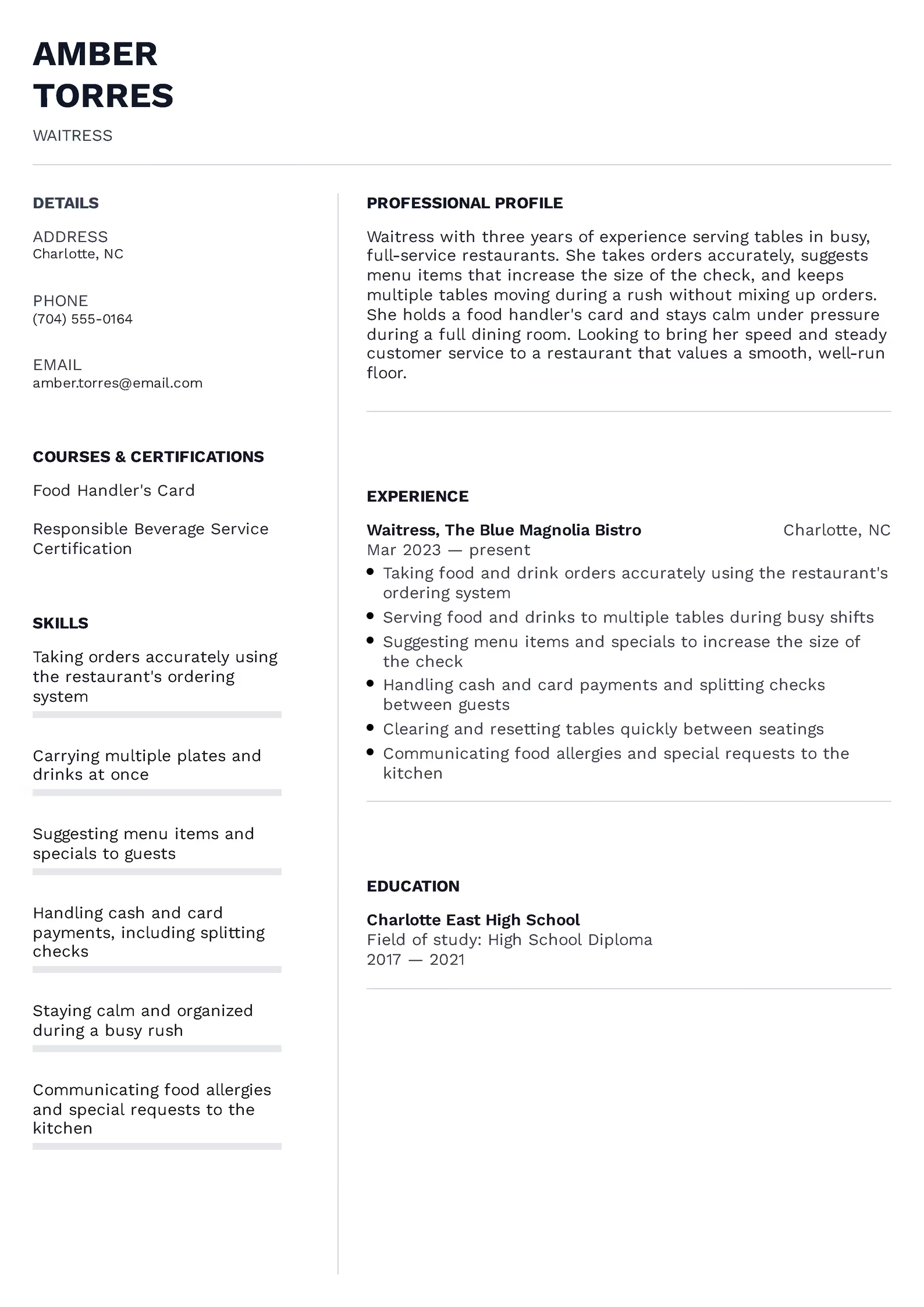
Resume Example — Waitress
Amber Torres
Charlotte, NC
Waitress with three years of experience serving tables in busy, full-service restaurants.
Takes orders accurately, suggests menu items that increase the size of the check, and keeps multiple tables moving during a rush without mixing up orders. Holds a food handler's card and stays calm under pressure during a full dining room.
Waitress
The Blue Magnolia Bistro, Charlotte, NC
03.2023 – Present
High School Diploma
Charlotte East High School
2017 – 2021
Writing a Professional Summary That Shows You Can Handle the Floor
Below are three versions for different experience levels. Notice each one gives a manager a specific detail to picture, not a vague compliment.
What a Strong Line in Your Work Experience Actually Looks Like
Compare the two examples below — both describe similar work, but only one gives a manager something real to picture.
Skills That Matter Most on a Waiter Resume
Be specific instead of general. "Good with customers" says little. "Suggesting menu items and specials to guests" tells a manager exactly what you bring to a shift.
Skills for a Waiter Resume
| Job-Specific Skills | Personal Strengths |
|---|---|
| Taking orders using the restaurant's ordering system | Staying calm and friendly during a rush |
| Carrying multiple plates and drinks at once | Remembering orders for several tables at a time |
| Suggesting menu items and specials to guests | Staying on your feet for long shifts |
| Handling cash and card payments, including splits | Working well with kitchen and bar staff |
| Clearing and resetting tables quickly | Noticing when a table needs attention |
| Communicating allergies and special requests | Staying organized with several orders at once |
| Basic food safety knowledge | Staying polite with difficult or impatient guests |
| Balancing trays and moving safely through a busy room | Showing up on time for every shift |
What Waiters Actually Do During a Shift
The table below turns these into full sentences you can copy or adjust for your own resume.
Typical Waiter Duties
| Area | Example Waiter Duties |
|---|---|
| Order Taking | Taking food and drink orders accurately using the restaurant's ordering system |
| Food & Drink Service | Serving food and drinks to multiple tables during busy shifts |
| Upselling | Suggesting menu items and specials to increase the size of the check |
| Payment Handling | Processing cash and card payments and splitting checks between guests |
| Table Maintenance | Clearing and resetting tables quickly between seatings |
| Kitchen Communication | Communicating food allergies and special requests to the kitchen |
| Customer Service | Checking in on tables to make sure guests have what they need |
| Food Safety | Following basic food safety rules when handling and serving food |
| Multitasking | Managing several tables at different points in their meal at the same time |
| Closing Duties | Restocking supplies and resetting the dining area at the end of a shift |
Certifications That Help a Waiter Resume Stand Out
A food handler's card shows you understand basic food-safety rules, like proper handling and storage — many restaurants require it before your first shift. If the restaurant serves alcohol, a responsible beverage service certification shows you know the rules around checking ID and serving guests safely. Neither takes long to get, and both are worth listing clearly on your resume if you already have them.
A Clean Resume Layout Makes a Faster First Impression
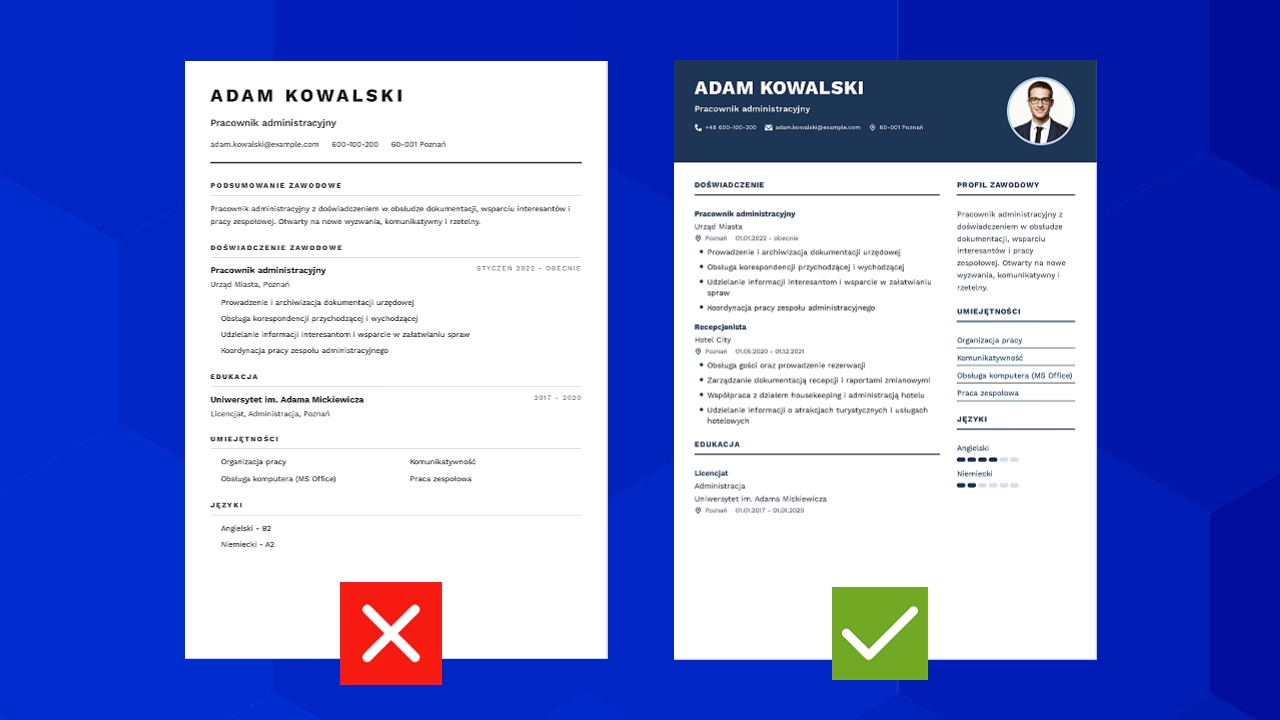
Choose a clean template that highlights your experience and certifications clearly, without unusual fonts or busy backgrounds.
Not sure which template fits best? Try our template library.
Build Your Resume

Common Mistakes That Hurt a Waiter Resume
Writing "waited tables" instead of specific tasks. A manager already knows what a waiter does in general — they want to know how you did it. Mention table count, upselling, or accuracy during a rush instead.
Leaving out certifications you already have. If you have a food handler's card or an alcohol service certification, list it clearly — it can mean you're ready to start sooner.
Forgetting to mention speed under pressure. Since restaurants care a lot about how you handle a rush, a specific detail about managing several tables at once stands out.
Skipping teamwork with kitchen and bar staff. Serving well depends on communicating clearly with the kitchen, especially about allergies and special requests — this is worth a line of its own.
Using an unprofessional email address. An email like "partytime22@email.com" can make a manager hesitate. Use a simple version of your name instead.
Making the resume too long. One page is enough for almost every serving job. Keep it short and easy to scan quickly.
Not tailoring the resume to the restaurant type. A fast-paced diner, a fine-dining restaurant, and a casual bar and grill all expect slightly different things from a server. Mention the type of restaurant you've worked in if you're applying somewhere specific.
Key Takeaways for Your Waiter Resume
Be specific — swap vague phrases for real details, like table count or upselling, instead of "waited tables."
List your certifications — a food handler's card or beverage service certification can help you start sooner.
Show you can handle a rush — speed and accuracy under pressure matter as much as friendliness.
Mention teamwork — communicating with the kitchen and bar is a real, valuable skill.
Keep the design clean and short — one page, easy for a busy manager to scan quickly.
Don't hide a lack of experience — any customer-facing job shows relevant skills.
If you're applying by email, pair this resume with a short cover letter — a few confident sentences about your speed and reliability can make a real difference for a fast-moving job like this.
Frequently Asked Questions
Focus on any customer-facing job you've had, even if it wasn't in a restaurant — cashier, retail, or host positions all show you can handle people and pressure. Mention that you're comfortable on your feet for long shifts and quick to learn a new menu. A food handler's card, even without job experience, is worth including too.
Many restaurants require one, though the exact rule depends on your state and the restaurant itself. If you already have a food handler's card, list it clearly on your resume — it can mean you're ready to start working sooner without extra training.
One page is enough for almost every serving job. Restaurant managers usually review resumes quickly between shifts, so a short, easy-to-scan resume works better than a long, detailed one.
Yes, if you know the number. A specific detail like “handled up to six tables at once during dinner rush” tells a manager exactly what you can do, which is more convincing than a general phrase like “great under pressure.”
The strongest resumes combine practical skills, like using the restaurant's ordering system and carrying multiple plates, with personal strengths like staying calm during a rush. Listing both gives a manager a complete picture of how you'd handle a shift.
Yes, especially if you're applying to a restaurant or bar that serves alcohol. This certification shows you understand the rules around checking ID and serving alcohol responsibly, which some restaurants require before they'll let you serve drinks.
The most common mistake is writing a vague line like “waited tables” instead of a specific one. A manager can't picture what you actually did. Mention table count, upselling, or how you handled a busy rush instead of a general phrase.
Read Also
Ready for your own resume?
Go to the builder and start with the first step in seconds.
Create Resume