Why “Good with People” Isn't Enough on a Bartender Resume
This guide covers what actually belongs on a bartender resume — from the cocktails and pours you're comfortable with to your alcohol service certification. You'll see a full example resume you can copy, plus the mistakes that get bartender applications skipped over.
A Full Bartender Resume Example You Can Copy
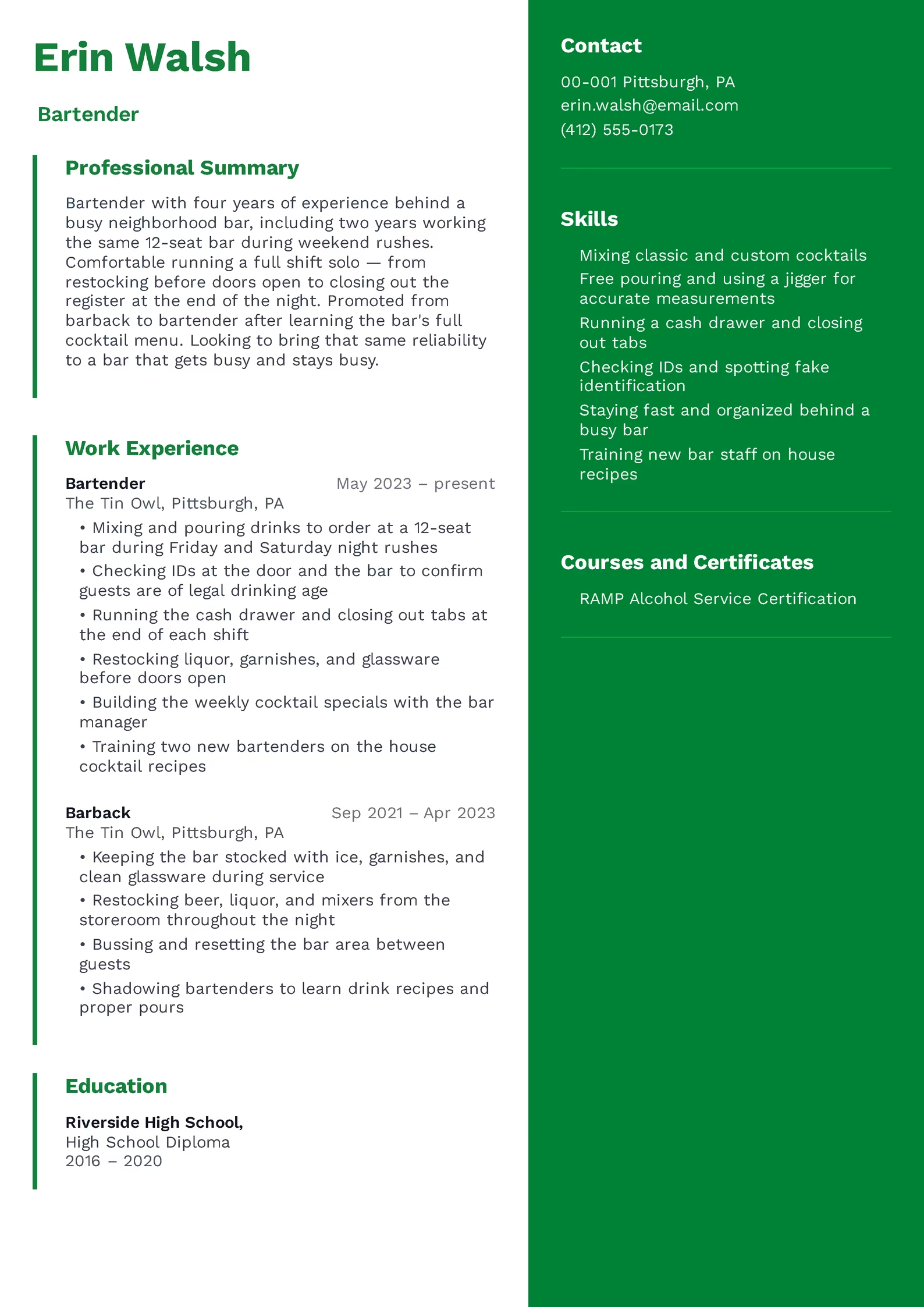
Below is a full example built for Erin, a bartender with four years of experience who was promoted from barback to bartender at the same bar. Notice the resume shows that promotion as two separate entries instead of squeezing both jobs into one line — it's a simple way to show growth.
Use it as a starting point. Swap in your own bar's pace, your own certification, and your own numbers — even something like how many seats the bar had, or how busy a typical Saturday night was.
Resume Example — Bartender
Erin Walsh
Pittsburgh, PA
Bartender with four years of experience behind a busy neighborhood bar, including two years working the same 12-seat bar during weekend rushes.
Comfortable running a full shift solo — from restocking before doors open to closing out the register at the end of the night. Promoted from barback to bartender after learning the bar's full cocktail menu. Looking to bring that same reliability to a bar that gets busy and stays busy.
Bartender
The Tin Owl, Pittsburgh, PA
05.2023 – Present
Barback
The Tin Owl, Pittsburgh, PA
09.2021 – 04.2023
High School Diploma
Riverside High School
2016 – 2020
How to Sum Up Your Bar Experience in a Few Sentences
Below are three versions for different experience levels. None of them lean on vague lines like “people person” or “great multitasker” — each one names something specific instead.
Mixology, POS Systems, and Other Bartender Skills Worth Listing
Skills for a Bartender Resume
| Job-Specific Skills | Personal Strengths |
|---|---|
| Mixing classic and custom cocktails | Picks up new recipes quickly |
| Free pouring and using a jigger for accurate measurements | Works fast without over-pouring |
| Running a cash drawer and closing out tabs | Careful with money and tabs under pressure |
| Checking IDs and spotting fake identification | Pays close attention to small details |
| Using a POS system to ring in orders | Comfortable learning new software quickly |
| Restocking liquor, garnishes, and glassware | Plans ahead to stay stocked during a rush |
| Building and pricing drink specials | Comfortable suggesting drinks without being pushy |
| Training new bar staff | Communicates clearly across a loud, busy bar |
Do You Need an Alcohol Service Certification to Bartend?
Describing Nights Behind a High-Volume Bar
What You Actually Did on Shift, From Prep to Last Call
Typical Bartender Duties
| Area | Example Bartender Duties |
|---|---|
| Prep | Restocking liquor, garnishes, and glassware before the bar opens |
| Serving | Mixing and pouring drinks to order during a rush |
| ID checks | Checking identification to confirm guests are of legal drinking age |
| Cash handling | Running the cash drawer and closing out guest tabs |
| POS system | Ringing in drink and food orders on the point-of-sale system |
| Recipes | Following house recipes to keep cocktails consistent from shift to shift |
| Specials | Building and pricing weekly drink specials with the bar manager |
| Closing | Cleaning the bar, washing glassware, and restocking after last call |
| Guest safety | Recognizing when a guest has had too much and adjusting service |
| Training | Showing new bartenders and barbacks house recipes and pour counts |
Ready to put your own bar experience into a resume? Try our resume builder — it walks you through each section.
Build Your Resume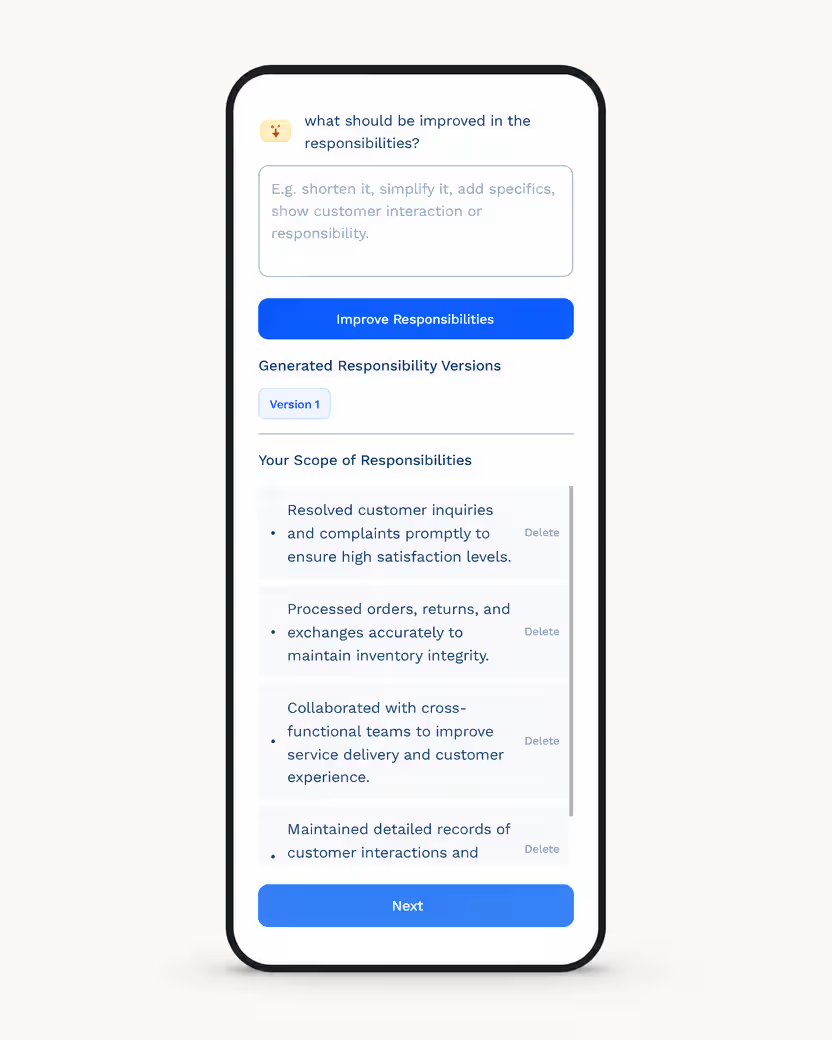
Checking IDs and Knowing When to Cut Someone Off
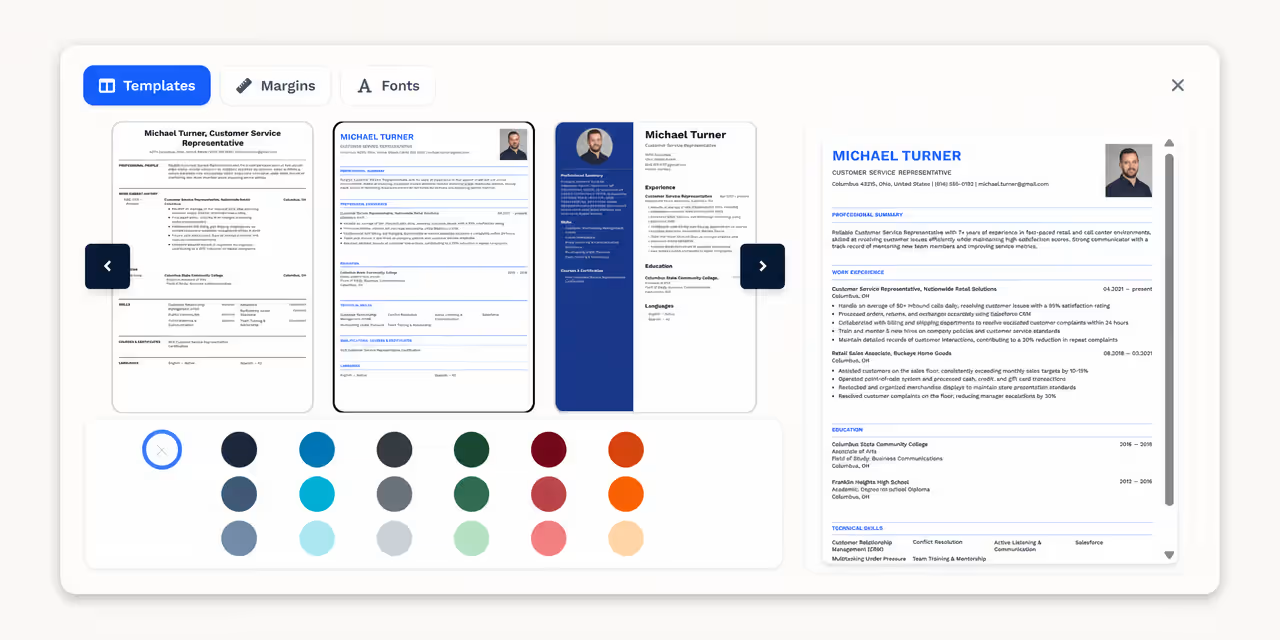
Choosing a Layout That Works for Bar and Restaurant Jobs
Not sure which layout fits best? Browse our template library.
Build Your Resume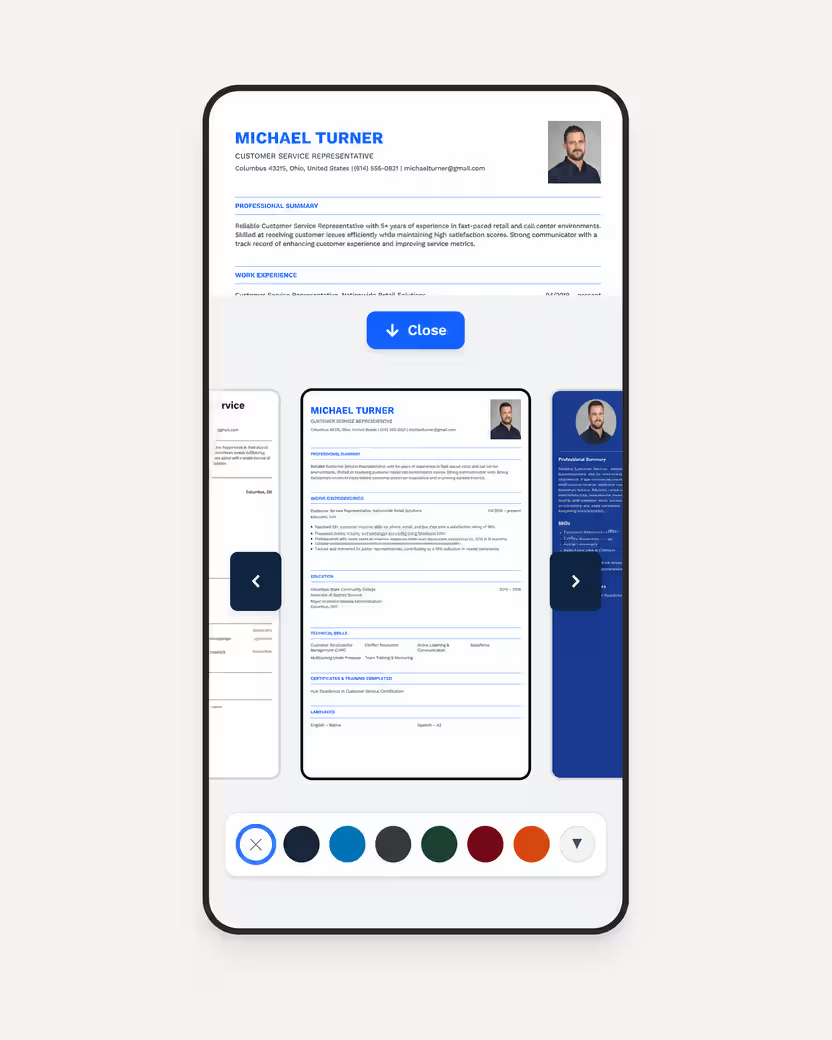
Mistakes That Make a Bartender Resume Look Inexperienced
Writing “bartending duties” instead of naming what you actually did — pouring, checking IDs, running tabs, and closing out the register are all different skills a manager wants to see spelled out.
Not mentioning what kind of bar you worked at. A high-volume sports bar and a slow craft cocktail lounge call for different skills, and a manager wants to know which one you're used to.
Skipping numbers entirely. Even a rough one, like “12-seat bar” or “busy Friday and Saturday nights,” gives a manager something concrete to picture.
Not stating your schedule flexibility. Bar shifts usually run nights, weekends, and holidays, so saying you're available for those upfront saves both of you time.
Copying generic phrases like “people person” or “great multitasker” straight from a job posting without saying what you actually did.
Leaving a promotion buried inside one job entry instead of listing it as two separate positions — it hides real growth a manager would want to see.
Quick Recap: Building a Bartender Resume That Gets You Behind the Bar
If you want a refresher on resume basics before you start, our guide on how to write a resume covers the fundamentals, and if the job also asks for a cover letter, our guide on writing a cover letter covers that too. Otherwise, you're ready to put your own bar experience down on paper.
Frequently Asked Questions
Not always, but many states and cities require an alcohol service certification before you can legally serve alcohol, and having one makes you easier to hire. If your area requires one and you don't have it yet, look for a short in-person or online course — most take a few hours and issue a certificate you can list right away.
List it — barback experience is real bar experience, and it shows a hiring manager you already know how a busy bar runs. Focus on what you learned, like drink recipes, pour counts, or how you handled a rush, instead of worrying that the title wasn't 'bartender' yet.
Yes. Most bar shifts fall on nights, weekends, and holidays, so stating your availability upfront saves a hiring manager from guessing. It's often one of the first things they check before reading the rest of your resume.
Use specific numbers instead of general claims. Mentioning the size of the bar, like a “12-seat bar,” or naming your busiest nights, like Friday and Saturday, gives a hiring manager something concrete to picture even if your resume is only one job long.
No — the resume itself should read like something written by someone already in the industry. Save any explanation of bar terms for an interview, if it comes up. On the resume, just describe what you did, like recognizing when a guest had too much and adjusting service.
A barback mainly restocks and preps — ice, garnishes, glassware, liquor — and supports the bartenders during a shift. A bartender takes orders, mixes and pours drinks, and runs the register. If you've done both, list them as separate positions, especially if one was a promotion from the other.
One page is enough for almost every bartender, even with several years of experience across a few bars. Hiring managers in bars and restaurants are usually reading quickly between shifts, so a longer resume is more likely to get skimmed past.
Read Also
Ready for your own resume?
Go to the builder and start with the first step in seconds.
Create Resume