What Makes a Line Cook Resume Stand Out in a Busy Kitchen
This guide walks through what to actually put on a line cook resume — from listing the stations you've worked to describing your food safety certification the right way. You'll also see a full resume example you can copy and adjust, plus the mistakes that make hiring managers skip past a candidate who might actually be a good fit.
Line Cook Resume Example: What Goes Where
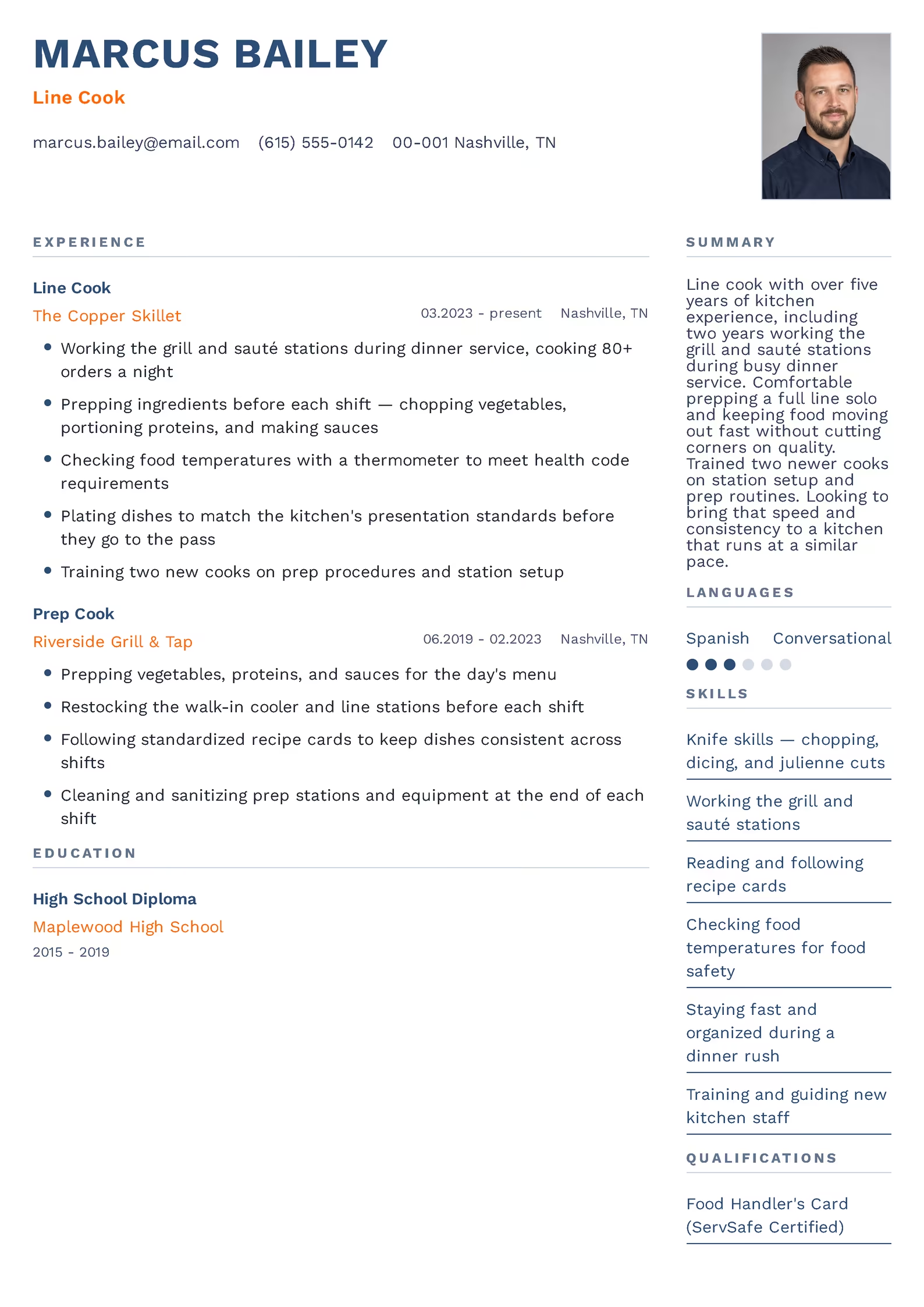
Below is a full example built for a line cook with about five years of experience. Notice it doesn't try to list everything Marcus has ever done in a kitchen — it focuses on his two most recent jobs and gives real detail for each one, instead of a long list of vague duties.
The work experience section is doing the heavy lifting. Each line describes one specific thing Marcus did on shift, not a general job description copied from a posting.
Resume Example — Line Cook
Marcus Bailey
Nashville, TN
Line cook with over five years of kitchen experience, including two years working the grill and sauté stations during busy dinner service.
Comfortable prepping a full line solo and keeping food moving out fast without cutting corners on quality. Trained two newer cooks on station setup and prep routines. Looking to bring that speed and consistency to a kitchen that runs at a similar pace.
Line Cook
The Copper Skillet, Nashville, TN
03.2023 – Present
Prep Cook
Riverside Grill & Tap, Nashville, TN
06.2019 – 02.2023
High School Diploma
Maplewood High School
2015 – 2019
Starting Strong: Summing Up Your Kitchen Experience in Three Sentences
Below are three versions for different experience levels. None of them lean on vague phrases like “hard worker” or “team player” — each one names a specific station, skill, or outcome instead.
Describing Your Time at the Grill, Sauté, or Prep Station
Knife Skills, Food Safety, and Other Things to List Under Skills
Skills for a Line Cook Resume
| Job-Specific Skills | Personal Strengths |
|---|---|
| Knife skills — chopping, dicing, julienne cuts | Works fast without sacrificing accuracy |
| Working the grill and sauté stations | Stays calm during a dinner rush |
| Reading and following recipe cards | Keeps dishes consistent shift after shift |
| Checking food temperatures for food safety | Careful and detail-focused under pressure |
| Portioning and prepping ingredients | Plans ahead to stay stocked during service |
| Plating to match presentation standards | Notices small details other cooks miss |
| Basic sauce and stock preparation | Willing to learn new techniques quickly |
| Training new kitchen staff | Communicates clearly with the rest of the line |
What You Actually Did on Shift: From Prep Lists to Plating
Typical Line Cook Duties
| Area | Example Line Cook Duties |
|---|---|
| Prep | Chopping vegetables, portioning proteins, and making sauces before the shift starts |
| Grill station | Cooking proteins to order and managing multiple tickets at once |
| Sauté station | Cooking pan sauces and vegetable sides to order during service |
| Plating | Arranging finished dishes to match the kitchen's presentation standard before they reach the pass |
| Food safety | Checking food temperatures with a thermometer and logging results |
| Inventory | Restocking the line and walk-in cooler between rushes |
| Cleaning | Sanitizing stations and equipment at the end of each shift |
| Recipe consistency | Following standardized recipe cards so dishes taste the same every time |
| Team coordination | Communicating with other cooks and the expo to keep tickets moving |
| Training | Showing new cooks how to set up and stock their station |
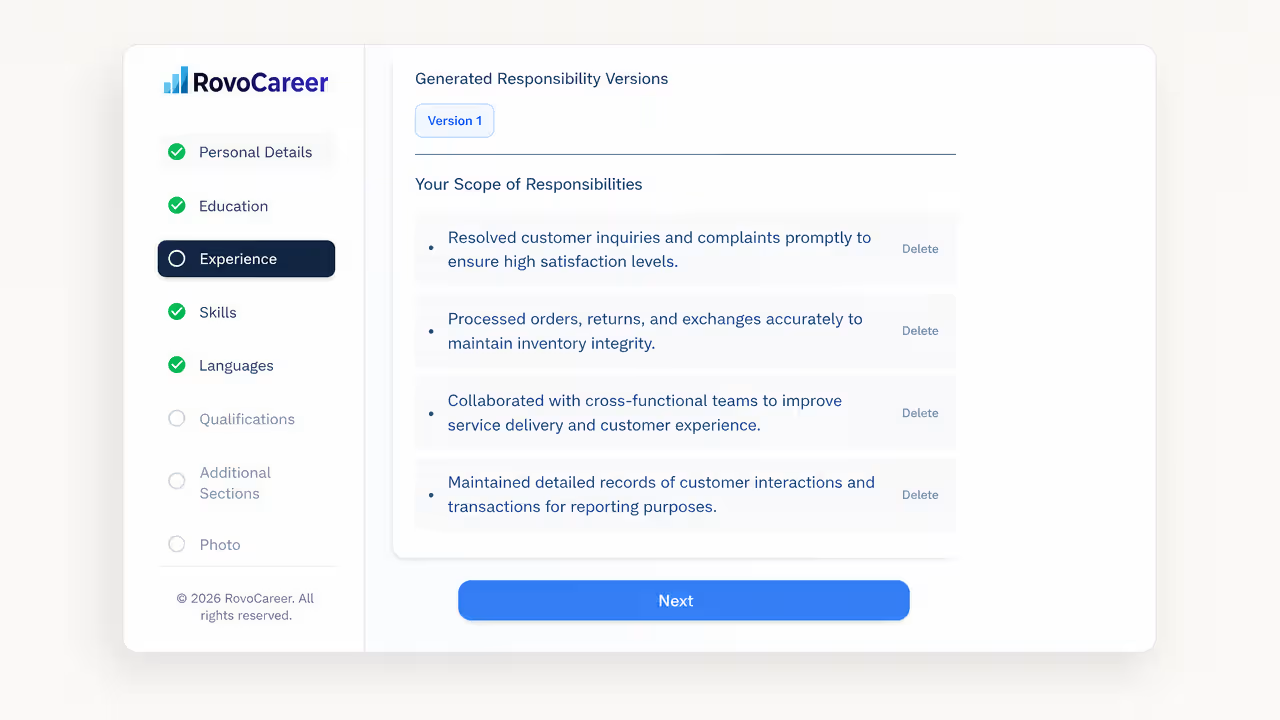
Ready to put your own duties into a resume? Try our resume builder — it walks you through each section.
Build Your Resume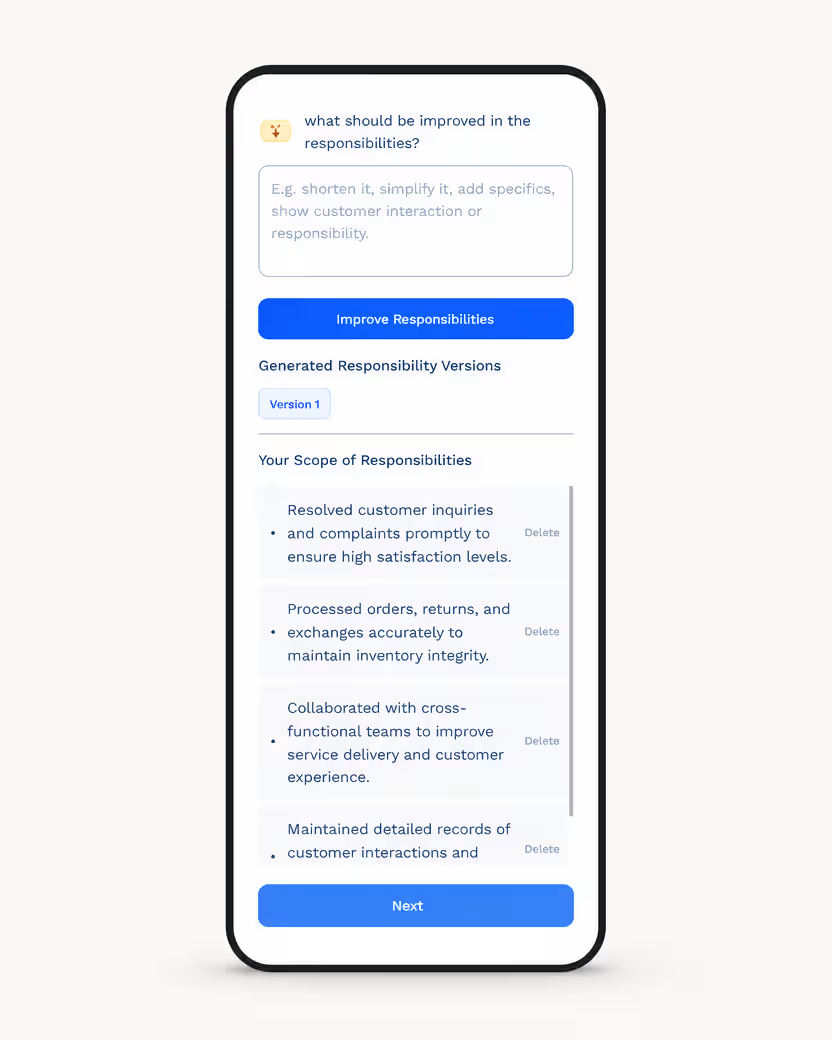
Do You Need a Food Handler's Card or Culinary School?
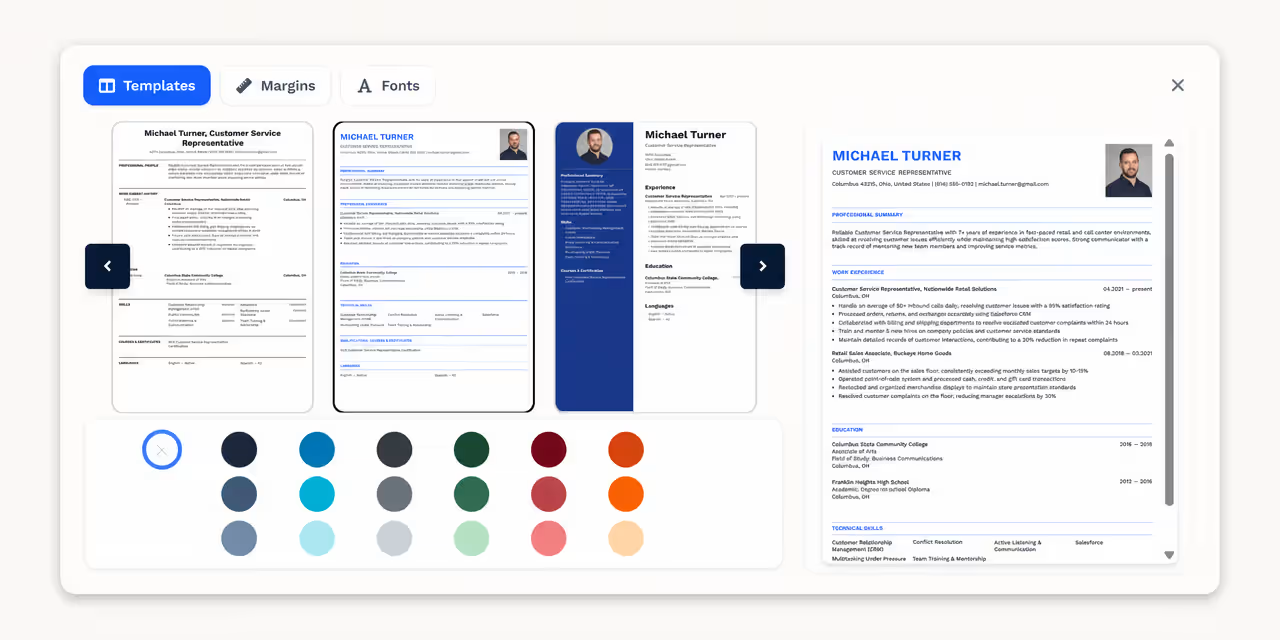
Picking a Resume Layout That Works for Kitchen Jobs
Not sure which layout fits best? Browse our template library.
Build Your Resume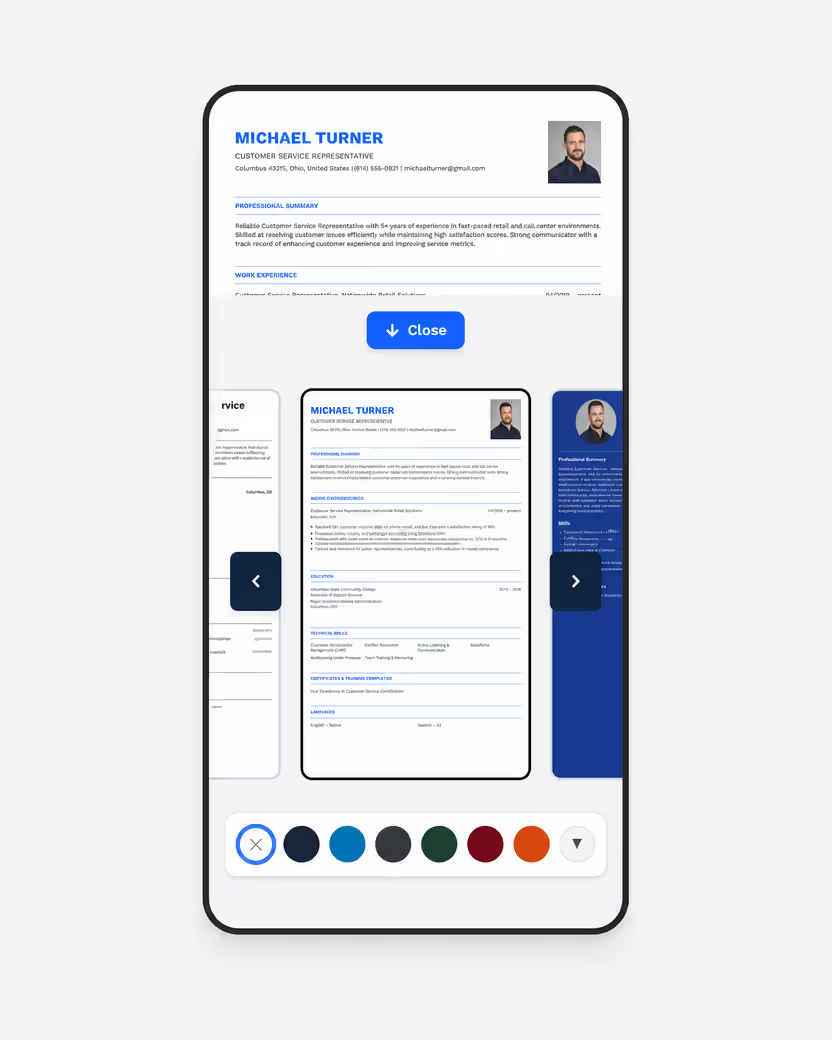
Mistakes That Make a Line Cook Resume Look Inexperienced
Not mentioning your food handler's card. Even if it's a basic requirement, an application without it can get set aside before a manager reads the rest.
Writing every duty as one long paragraph instead of separate points — it's harder to skim during a busy shift change.
Skipping numbers entirely. Even a rough estimate like “80 orders a night” gives a manager something concrete to picture.
Copying phrases straight from the job posting without saying what you actually did. Repeating “team player” from a listing doesn't show a manager anything.
Not stating your schedule flexibility. If you can work nights, weekends, and holidays, say so directly — it's often the first thing a kitchen manager checks.
Leaving an unexplained gap. Kitchen work often includes seasonal jobs; a short note is better than a mystery gap.
Quick Recap: Building a Line Cook Resume That Gets Callbacks
If you want a broader refresher on resume basics before you start, our guide on how to write a resume covers the fundamentals. Otherwise, you're ready to put your own kitchen experience down on paper — just remember the manager reading it is picturing you on their line, so give them enough to picture.
Frequently Asked Questions
No. Most kitchens care more about hands-on experience and reliability than a culinary degree. A high school diploma is usually enough, and many cooks learn their skills entirely on the job. If you have culinary training, it's worth mentioning, but don't worry if you don't.
That's fine — focus on describing that one job in real detail instead of padding your resume with unrelated work. List the specific stations you worked, any food safety training you completed, and anything you learned that would transfer to a new kitchen.
Yes, if you have one. Many states and cities require it by law before you can handle food professionally, so leaving it off can make a manager assume you don't have it. List it under certifications, along with the state or program that issued it if you know it.
One page is enough for almost every line cook, even with several years of experience. Kitchen managers are usually reading resumes quickly between shifts, so a long resume is more likely to get skimmed past than read closely.
Yes — it's often one of the first things a kitchen manager looks for. Most restaurant schedules include nights, weekends, and holidays, so stating your availability upfront can save both of you time.
A prep cook mainly prepares ingredients before service — chopping vegetables, portioning proteins, making sauces. A line cook cooks and plates dishes to order during service, usually at a specific station like the grill or sauté. If you've done both, list them as separate positions with their own duties.
You don't need to explain it on the resume itself. Focus on what you did during the time you were there, and be ready to give a short, honest explanation if it comes up in an interview. A single short stint isn't usually a dealbreaker if the rest of your resume shows real kitchen experience.
Read Also
Ready for your own resume?
Go to the builder and start with the first step in seconds.
Create Resume