Why 'Operated Machines' Isn't Enough on a Production Resume
This guide walks through a full machine operator resume example you can copy, plus plain-language tips for your summary, work history, skills, and safety training. You'll also see the resume mistakes that keep machine operators from getting called in for an interview.
What to Include on a Machine Operator Resume, With a Full Example
Below is a full example resume for an operator with a few years of experience running different types of production equipment. Use it as a starting point and swap in your own machines, employers, and dates.
The work experience section should take up the most space — a plant manager wants to see which machines you've run and how you handled quality and troubleshooting. Your summary at the top should be short: name your main equipment and years of experience right away, before the reader gets further down the page.
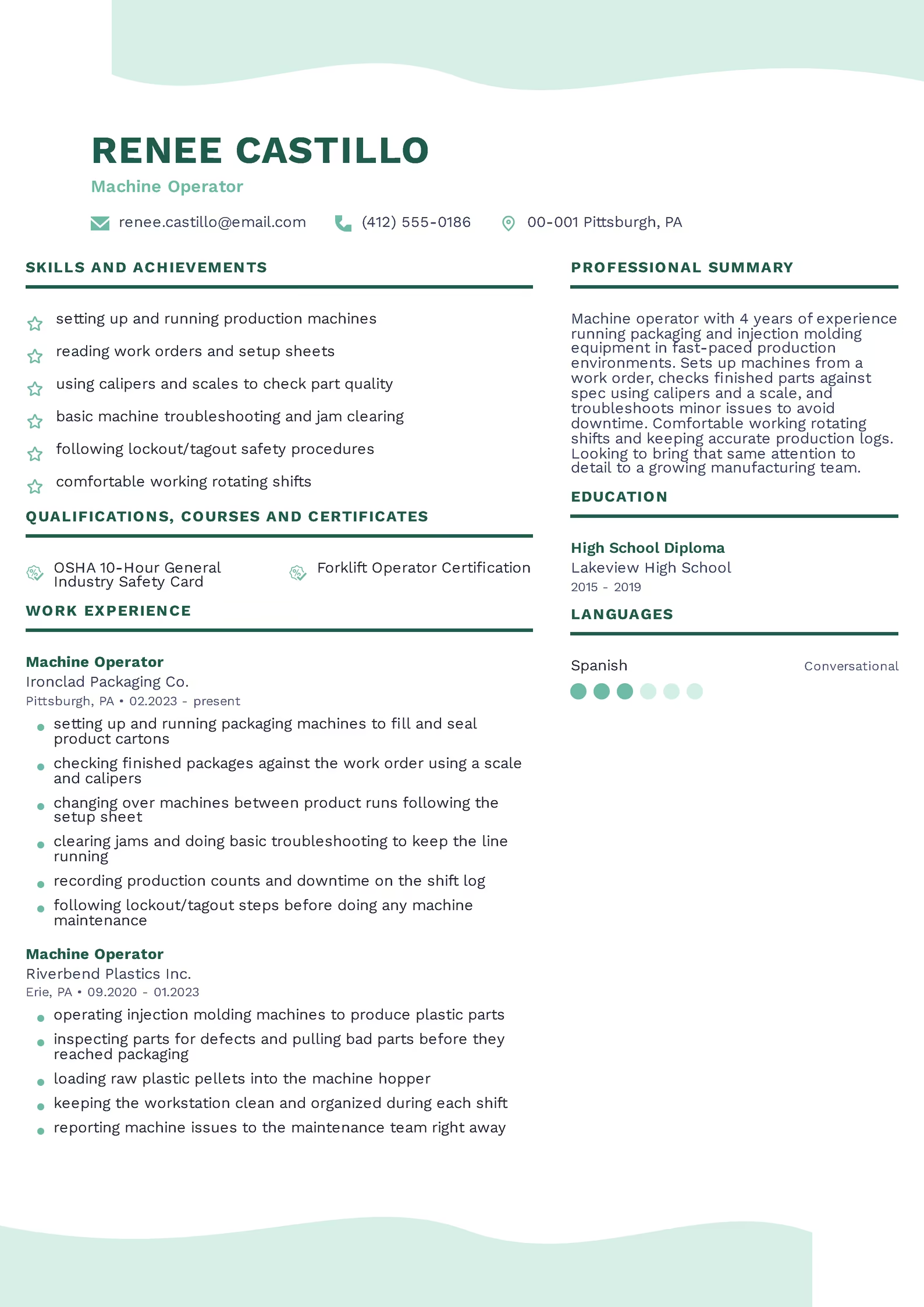
Resume Example — Machine Operator
Renee Castillo
Pittsburgh, PA
Machine operator with 4 years of experience running packaging and injection molding equipment in fast-paced production environments.
Sets up machines from a work order, checks finished parts against spec using calipers and a scale, and troubleshoots minor issues to avoid downtime.
Comfortable working rotating shifts and keeping accurate production logs.
Looking to bring that same attention to detail to a growing manufacturing team.
Machine Operator
Ironclad Packaging Co., Pittsburgh, PA
02.2023 – Present
Machine Operator
Riverbend Plastics Inc., Erie, PA
09.2020 – 01.2023
High School Diploma
Lakeview High School
2015 – 2019
Summing Up Your Machine Experience in a Few Sentences
A strong summary names the type of machines you've operated, how long you've done it, and one or two things you're good at, like quality checks or troubleshooting. Here's how that looks for three different situations:
Turning Shift Work Into Specific, Countable Accomplishments
Instead, name the actual machine, the task, and what you checked or fixed. A couple of specific lines beat a long list of generic ones.
Here's the difference between a vague line and a specific one:
Work Experience — Machine Operator Resume Example
Machine Operator
Ironclad Packaging Co., Pittsburgh, PA
02.2023 – Present
Machine Operator
Riverbend Plastics Inc., Erie, PA
09.2020 – 01.2023
Machine Skills, Quality Checks, and Other Things to List
Ten items is plenty. Skip vague words like "hardworking" — they don't tell a plant manager anything they can compare between candidates.
Skills for a Machine Operator Resume
| Job-Specific Skills | Personal Strengths |
|---|---|
| Setting up and running production machines | Staying focused during repetitive tasks |
| Reading work orders and setup sheets | Paying close attention to detail |
| Using calipers and scales to check part quality | Catching mistakes before they become bigger problems |
| Basic machine troubleshooting and jam clearing | Staying calm when something goes wrong |
| Following lockout/tagout safety procedures | Taking safety seriously |
| Comfortable working rotating shifts | Being flexible with schedule changes |
| Loading raw material into a machine hopper | Working well with a shift team |
| Keeping accurate production logs | Being reliable and on time |
| Basic forklift operation | Staying alert during long shifts |
| Reporting equipment issues clearly | Communicating clearly with a supervisor |
What a Machine Operator Actually Does During a Shift, Task by Task
Use these descriptions as a starting point for your own work experience section — swap in the machines and products you've actually worked with.
Typical Machine Operator Duties
| Area | Example Machine Operator Duties |
|---|---|
| Machine Setup | Setting up a production machine according to a work order or setup sheet before a run starts |
| Quality Checks | Checking finished parts or packages against spec using calipers, a scale, or a gauge |
| Changeovers | Switching a machine from one product run to another, including new molds, dies, or settings |
| Troubleshooting | Clearing jams and doing basic troubleshooting to keep the line running |
| Material Handling | Loading raw material, like plastic pellets or packaging stock, into the machine |
| Production Logging | Recording production counts, downtime, and scrap on a shift log |
| Machine Maintenance | Performing basic daily maintenance and reporting bigger issues to the maintenance team |
| Safety Compliance | Following lockout/tagout steps and wearing required protective gear around moving parts |
| Workstation Upkeep | Keeping the work area clean and organized during and after each shift |
| Shift Handoff | Passing along machine status and open issues to the next shift's operator |
Ready to put your own duties into a resume? Try our resume builder and fill in a template built for production work.
Build Your Resume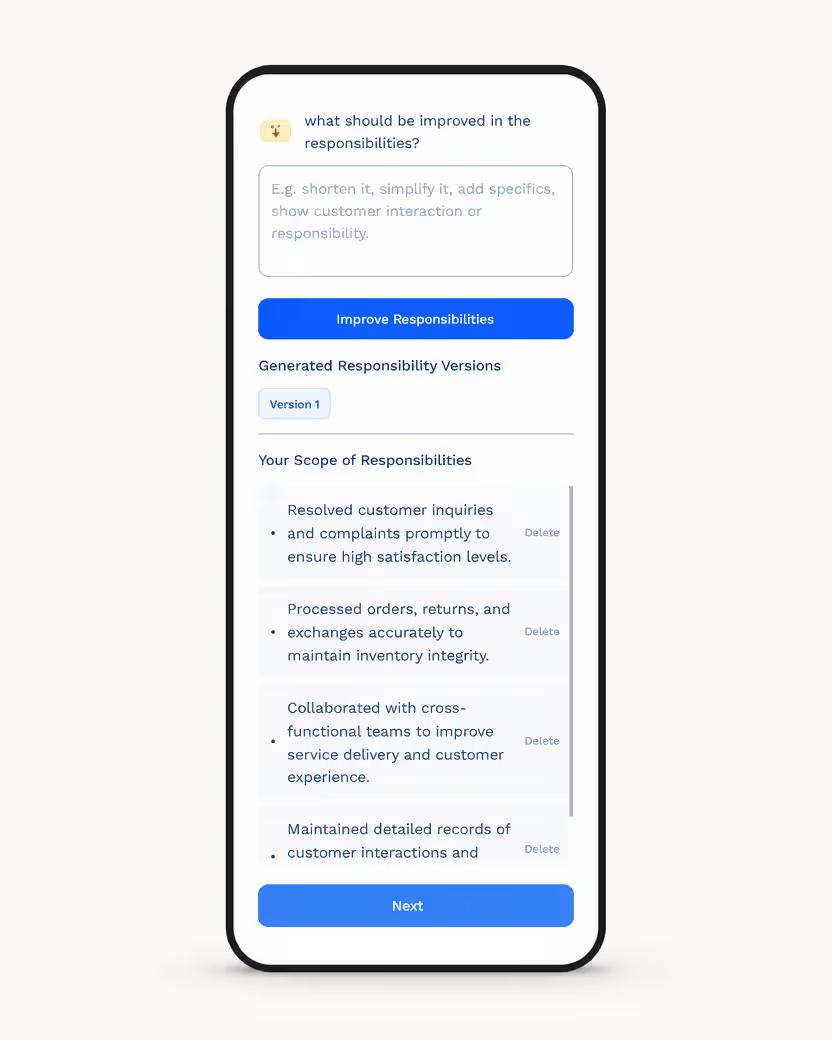
Naming the Machines You've Run — Packaging Lines, Molding Machines, and More
If you remember the brand or model, include it. Some plants run specific machine lines, and matching experience can move your resume to the top of the pile. If you've only worked with one type of machine, that's fine — just be precise about which one and what it produced.
Rotating Shifts, Overtime, and How to Show You're Flexible
If you've worked rotating shifts before, say so directly in your skills or summary. It answers a question a hiring manager would otherwise have to ask, and it shows you already know what the schedule involves.
Lockout/Tagout and Other Safety Steps Worth Mentioning
If you've been trained on lockout/tagout procedures or hold an OSHA safety card, list it clearly. Mentioning that you follow proper protective equipment rules, like safety glasses or hearing protection, is a small detail that signals you take the job seriously.
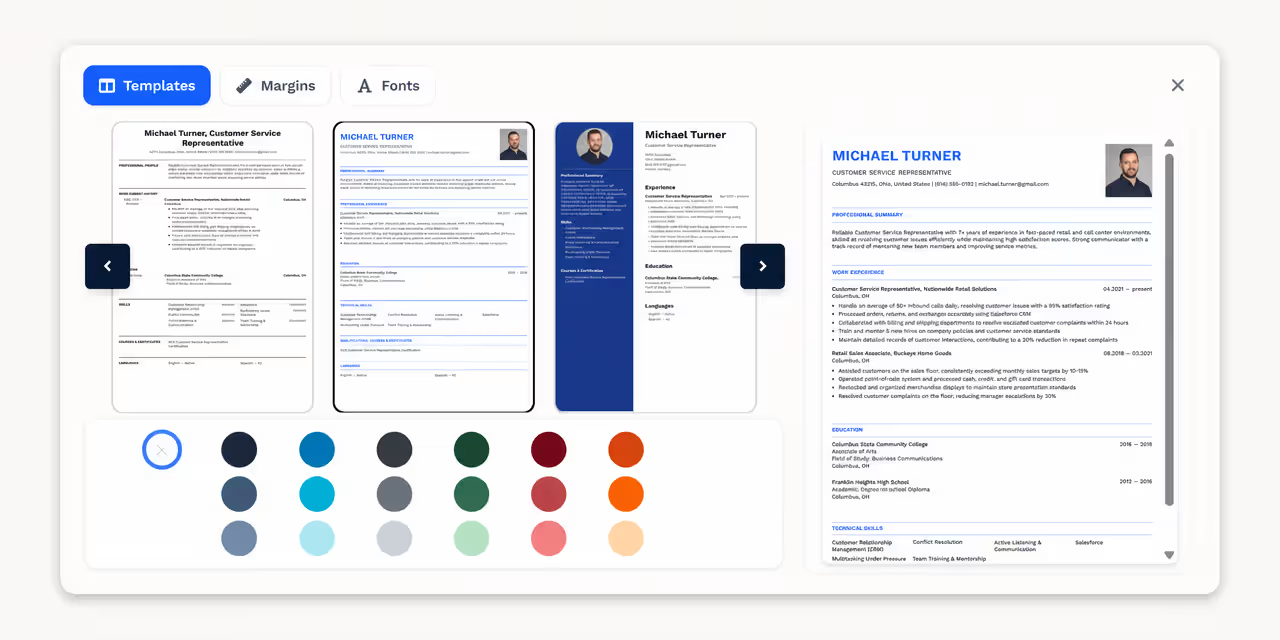
A Simple Layout That Works for a One-Page Production Resume
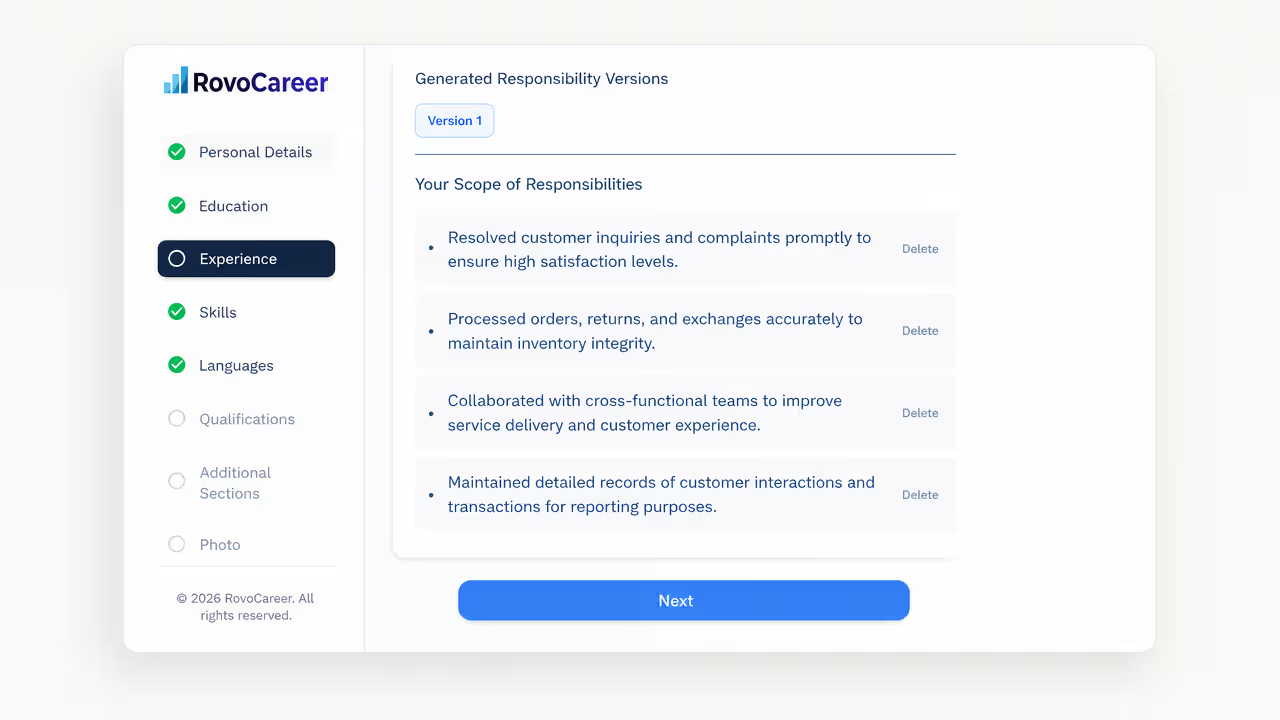
If you're not sure where to start, a ready-made layout can save time and make sure nothing important gets left out.
Not sure which layout fits best? Try our template library and pick one built for production work.
Build Your Resume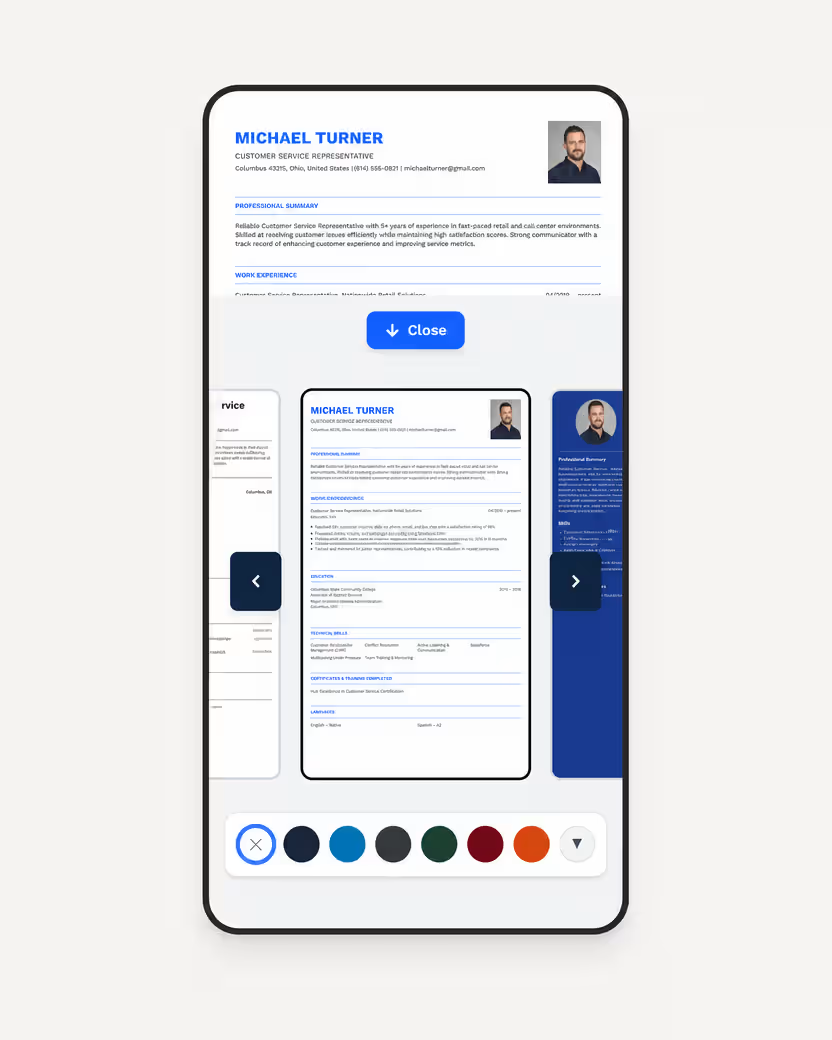
Resume Mistakes That Keep Machine Operators Out of the Interview Pile
Leaving out quality-check skills. If you've used calipers, a scale, or a gauge to check parts, mention it — it shows you can be trusted with finished product.
Not mentioning shift flexibility. If you're open to rotating shifts or overtime, say so directly instead of leaving it for an interview question.
Skipping production details. A line about keeping downtime low or catching defects early says more than "worked hard."
Forgetting safety training. Lockout/tagout experience and an OSHA card are often the first things a plant manager checks for.
Not explaining a gap between jobs. Manufacturing plants sometimes lay off or slow down between contracts — a short, honest note is enough.
Leaving out a forklift certification. If you have one, even if it's not required for this job, it's worth including — plants often need it.
Using a long, office-style format. Keep it to one page with short, clear lines so it's easy to scan quickly.
Key Takeaways for Your Machine Operator Resume
Name the exact machines you've run — packaging line, injection molder, CNC — instead of just "machines." Mention your quality-check tools, like calipers or a scale, and how you used them. Say clearly whether you're open to rotating shifts or overtime. List safety training like lockout/tagout or an OSHA card. Keep your work history to your most recent two or three jobs. Be upfront about any gaps instead of leaving them unexplained.
Once your resume is ready, pairing it with a short, honest cover letter can help you stand out for jobs that ask for one. For more general formatting tips, see our full guide to writing a resume.
Frequently Asked Questions
Focus on any training you've completed, even a short on-the-job or internship program, and mention that you're comfortable following instructions and safety procedures. If you're open to rotating shifts, say so — it's something many employers ask about right away. A lack of paid experience can be offset by showing you're reliable and ready to learn.
Usually not for entry-level roles — most plants train new operators on the specific machines they use. Some employers do prefer an OSHA safety card or a forklift certification, so it's worth listing either one if you already have it.
No, focus on the machines you're actually comfortable running without much retraining. A short, accurate list is more useful to a plant manager than a long one padded with equipment you barely touched.
Mention it directly in your summary or skills, for example, 'comfortable working rotating shifts.' It's a detail hiring managers specifically look for in manufacturing, so don't leave it for an interview question.
Lockout/tagout is a safety procedure where a machine is fully shut off and locked so no one can turn it back on while someone is working on it. If you've been trained on it, list it under skills or certifications — it tells an employer you understand machine safety.
Plant slowdowns and layoffs between contracts are common in manufacturing, so a short, honest note is usually enough. You don't need to go into detail — just avoid leaving an unexplained blank stretch on your timeline.
Yes, it's worth listing. Many plants need someone who can move materials with a forklift occasionally, even if it's not the main part of the job, so having the certification can make you a more flexible hire.
One page is enough for most people. Focus on your most recent jobs, the machines you've run, and your safety training, and cut anything that doesn't help a plant manager picture you on the line.
Read Also


Ready for your own resume?
Go to the builder and start with the first step in seconds.
Create Resume