What Makes a Strong Construction Worker Resume Stand Out on a Busy Job Site
This guide walks through a full construction worker resume example you can copy and adjust, plus plain-language tips for every section: your summary at the top, your work history, your skills, and your OSHA safety card. You'll also see the mistakes that make hiring managers skip past a resume, so you can avoid them.
The Sections Every Construction Resume Needs — And a Full Example
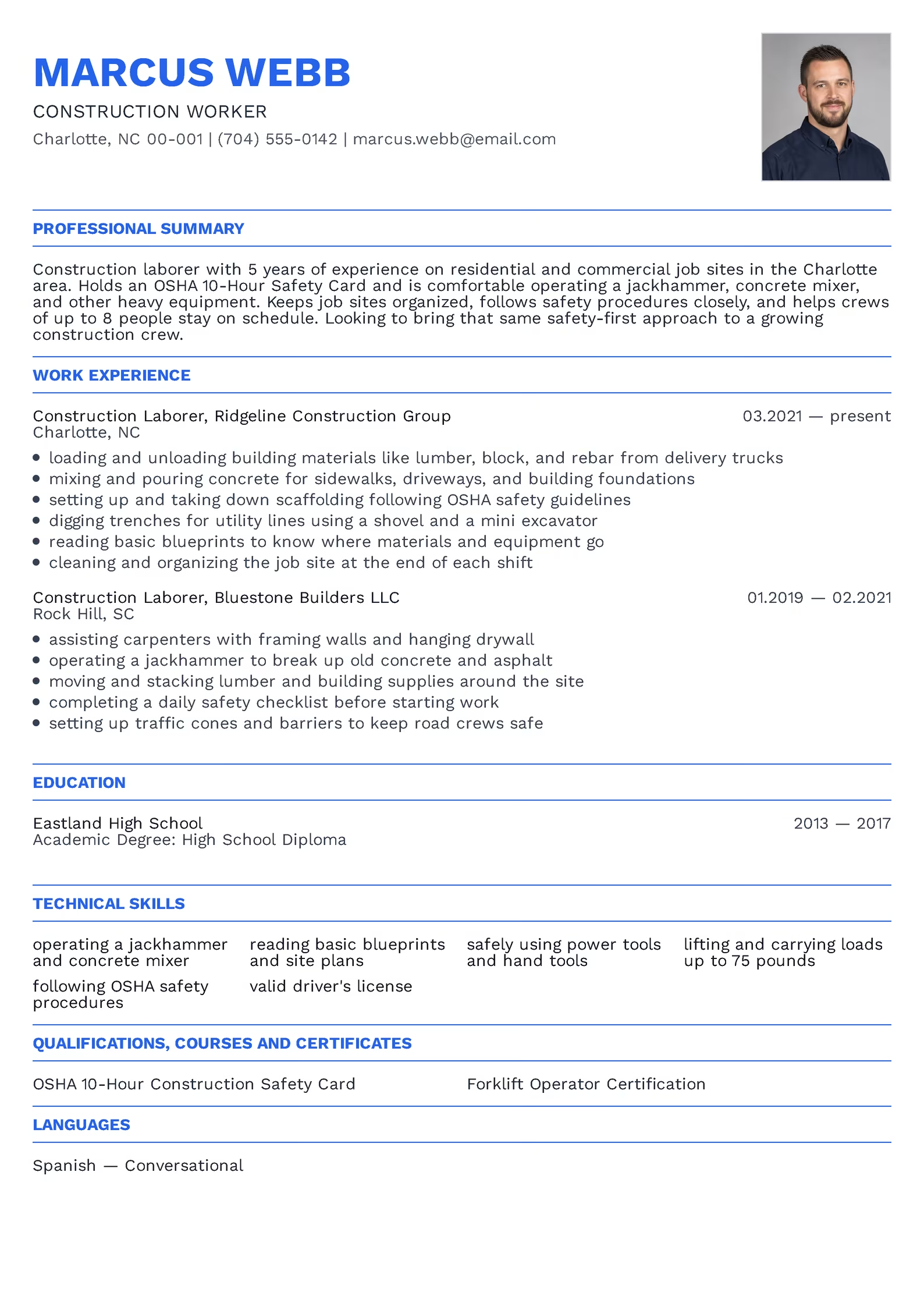
Below is a full example resume for a construction laborer with a few years of experience. Use it as a starting point — swap in your own jobs, tools, and certifications, and keep the same simple layout.
Notice that the work experience section takes up the most space. That's on purpose — employers care more about what you've actually done on a job site than about a long list of skills with no context. Your summary at the top should be short: just enough to tell someone who you are and what you're looking for before they read the rest.
Resume Example — Construction Worker
Marcus Webb
Charlotte, NC
Construction laborer with 5 years of experience on residential and commercial job sites in the Charlotte area.
Holds an OSHA 10-Hour Safety Card and is comfortable operating a jackhammer, concrete mixer, and other heavy equipment.
Keeps job sites organized, follows safety procedures closely, and helps crews of up to 8 people stay on schedule.
Looking to bring that same safety-first approach to a growing construction crew.
Construction Laborer
Ridgeline Construction Group, Charlotte, NC
03.2021 – Present
Construction Laborer
Bluestone Builders LLC, Rock Hill, SC
01.2019 – 02.2021
High School Diploma
Eastland High School
2013 – 2017
How to Introduce Yourself at the Top of a Construction Resume
A good summary names your job title, how long you've worked in construction, and one or two things you're actually good at — like operating certain equipment or working safely on a busy site. Here's how that looks for three different situations:
Turning 'Worked on Job Sites' Into Real, Job-Specific Duties
Instead, list the actual tasks you did, and be specific about the tools, materials, or equipment involved. A few detailed lines say more than ten generic ones.
Here's the difference between a vague line and a specific one:
Work Experience — Construction Worker Resume Example
Construction Laborer
Ridgeline Construction Group, Charlotte, NC
03.2021 – Present
Construction Laborer
Bluestone Builders LLC, Rock Hill, SC
01.2019 – 02.2021
Tools, Equipment, and Physical Skills Employers Look For
Keep this section short. Eight to ten items are enough — a long list of vague words like "hard worker" doesn't add anything a hiring manager can use.
Skills for a Construction Worker Resume
| Job-Specific Skills | Personal Strengths |
|---|---|
| Operating a jackhammer and concrete mixer | Staying calm under tight deadlines |
| Reading blueprints and site plans | Paying close attention to detail |
| Setting up and taking down scaffolding | Working well as part of a crew |
| Mixing and pouring concrete | Staying steady in hot or cold weather |
| Using hand tools like levels and hammers | Following instructions exactly as given |
| Digging trenches with a shovel or mini excavator | Showing up on time, every day |
| Following OSHA safety procedures | Speaking up about safety hazards |
| Lifting and carrying loads up to 75 pounds | Staying focused during repetitive tasks |
| Driving a forklift or skid steer | Learning new tasks quickly |
| Basic first aid and CPR | Keeping a positive attitude on long shifts |
What a Construction Worker Actually Does, Broken Down by Task
Use the wording here as a starting point for your own work experience section — swap in the specific materials, tools, or project types you've actually worked with.
Typical Construction Worker Duties
| Area | Example Construction Worker Duties |
|---|---|
| Material Handling | Loading, unloading, and moving building materials like lumber, block, and rebar around the site |
| Concrete Work | Mixing, pouring, and finishing concrete for sidewalks, driveways, and building foundations |
| Site Preparation | Clearing debris, digging trenches, and grading the ground before a crew starts building |
| Tool and Equipment Use | Operating jackhammers, concrete mixers, and power tools safely and correctly |
| Scaffolding and Access | Setting up, inspecting, and taking down scaffolding so other trades can reach their work |
| Safety Compliance | Following OSHA guidelines, wearing required protective gear, and reporting hazards to the foreman |
| Reading Plans | Checking blueprints or site drawings to know where materials and equipment go |
| Cleanup | Clearing the site of scrap, trash, and unused materials at the end of each shift |
| Team Coordination | Working alongside carpenters, electricians, and other trades to keep the project on schedule |
| Traffic and Site Control | Setting up cones, barriers, and signs to keep the work zone safe for the public and crew |
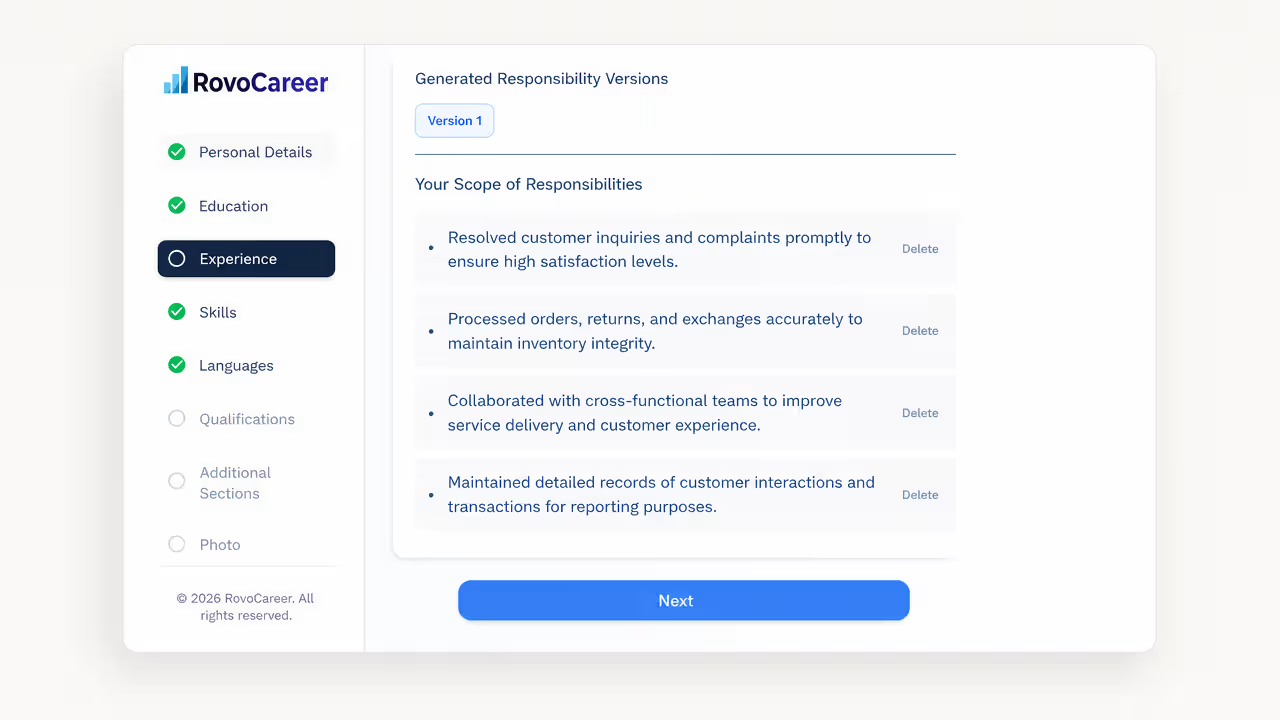
Ready to put your own duties into a resume? Try our resume builder and fill in a template built for job site work.
Build Your Resume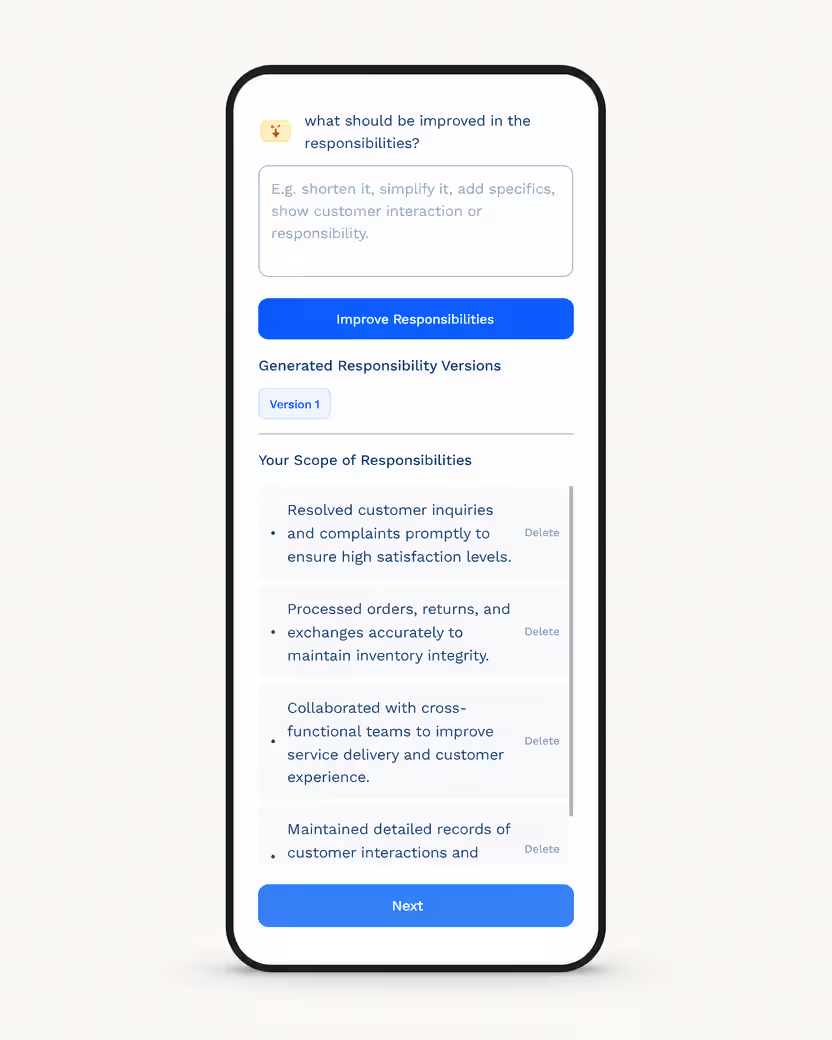
OSHA 10 Cards, Forklift Certification, and What to List Under Education
If you've taken this class, list it clearly, along with any other certification you hold, like a forklift or skid steer operator card. These cards don't usually expire, but it still helps to include the year you earned one, since some employers ask.
If you don't have any certifications yet, that's normal for a first job — just list your highest level of school and be honest about what training you still need.
Early Starts, Bad Weather, and Seasonal Layoffs — How to Handle Them on a Resume
For example, you could combine two seasonal jobs with the same company into one entry if you were called back each year, instead of listing them as separate, disconnected jobs. If you took on other work during a slow season, like landscaping or general labor, it's fine to include that too — it shows you stayed busy and reliable.
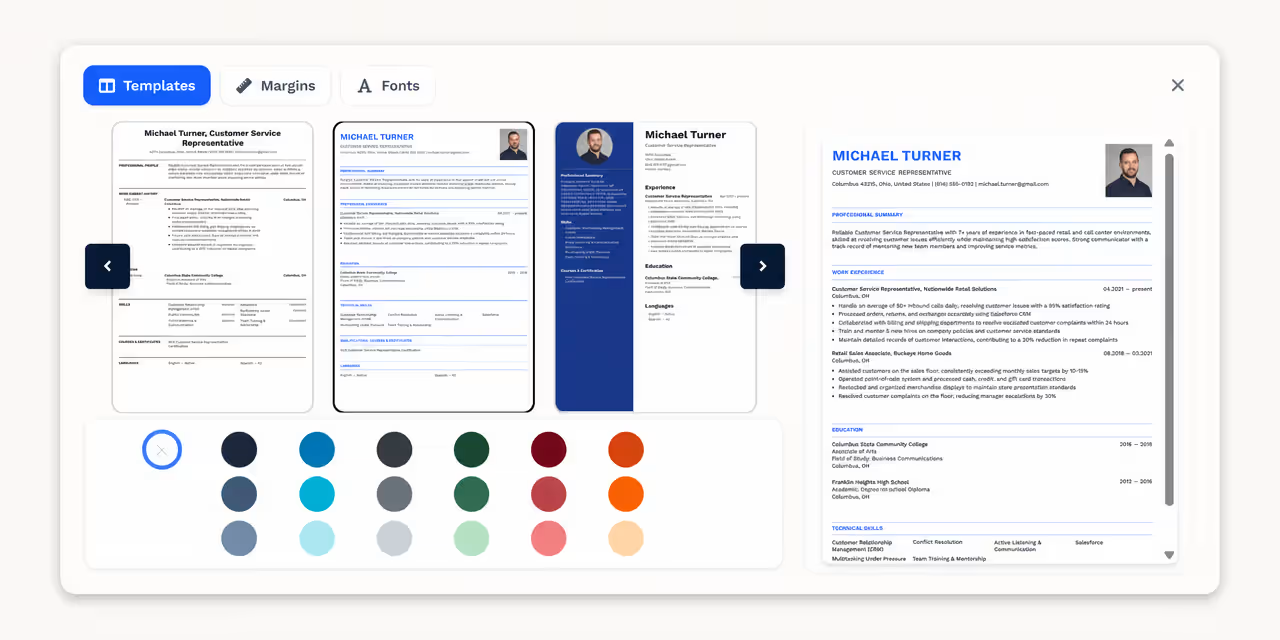
Choosing a Layout That Doesn't Bury Your Experience
If you're not sure where to start, a ready-made layout can save time and make sure nothing important gets left out.
Not sure which layout fits best? Try our template library and pick one built for job site work.
Build Your Resume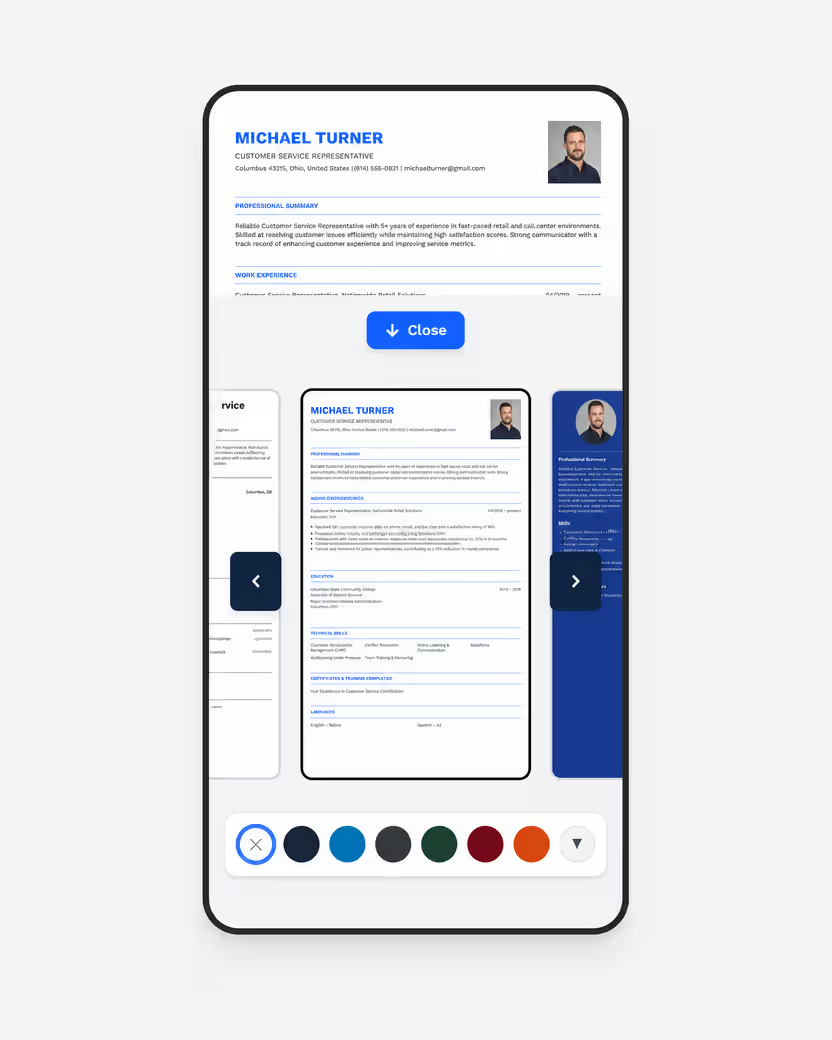
Resume Mistakes That Cost Construction Workers a Callback
Writing vague duties. "Did construction work" tells a hiring manager nothing. Name the actual tasks: mixing concrete, framing walls, operating a jackhammer.
Skipping the tools you can use. If you can run a skid steer or a concrete mixer, say so by name — don't just write "operated equipment."
Not explaining a work gap. A season without work isn't unusual in construction. One honest sentence is better than leaving a blank stretch with no explanation.
Ignoring safety training. Certifications like an OSHA card or forklift license are often the first thing a contractor checks for.
Leaving out project or crew size. A line like "worked with a 6-person crew on a 40-unit apartment build" says more than "worked on a construction team."
Forgetting a driver's license. If the job involves traveling between sites, a valid license matters — include it if you have one.
Using an office-style resume format. Long paragraphs and heavy formatting slow a hiring manager down. Keep it to one page with short, clear lines.
Key Takeaways for Your Construction Worker Resume
Name your actual tasks — concrete work, framing, trenching — instead of vague phrases like "helped out." List your OSHA card and any other certifications clearly, with the year you earned them. Keep your work history to your most recent two or three jobs — older ones can be summarized in a line. Mention the tools and equipment you're comfortable operating by name. Be upfront about any seasonal gaps instead of leaving them unexplained. Keep the layout simple — one page, clear headings, easy to scan on a busy site.
Once your resume is ready, pairing it with a short, honest cover letter can help you stand out — especially for jobs that ask for one. For more general tips on formatting and structure, see our full guide to writing a resume.
Frequently Asked Questions
If you're just starting out, focus on your education, any OSHA or safety courses you've completed, and other physical work you've done, even yard work or helping on a family project. In your summary, say what you're looking for and that you're ready to learn. A lack of paid experience can be offset by real skills and a willingness to work hard.
Yes. An OSHA 10-Hour Card doesn't expire, so it's still worth listing no matter when you earned it. Just include the year you completed it in case an employer asks.
No. Stick to your two or three most recent jobs and describe those in detail. Older jobs can be left off or summarized in a single line if the work was similar.
Seasonal layoffs are common in construction, so you don't need to over-explain them. A short note like combining two seasons at the same company into one entry, or briefly mentioning the slow season, is enough. Employers in this industry expect it.
Usually not. Most construction jobs care more about your physical ability, reliability, and any safety training than about a diploma. Still, list your highest level of school completed, even if it's a GED.
Yes, if you can back it up. A line like "comfortable lifting and carrying loads up to 75 pounds" is more useful to an employer than just writing "physically fit."
One page is enough for most people. Focus on your most recent jobs and skills, and cut anything that doesn't help a hiring manager picture you doing the work.
Yes. Even limited experience with a forklift or skid steer is a real, checkable skill that not every applicant has. List it under certifications, along with any other equipment training you've completed.
Read Also
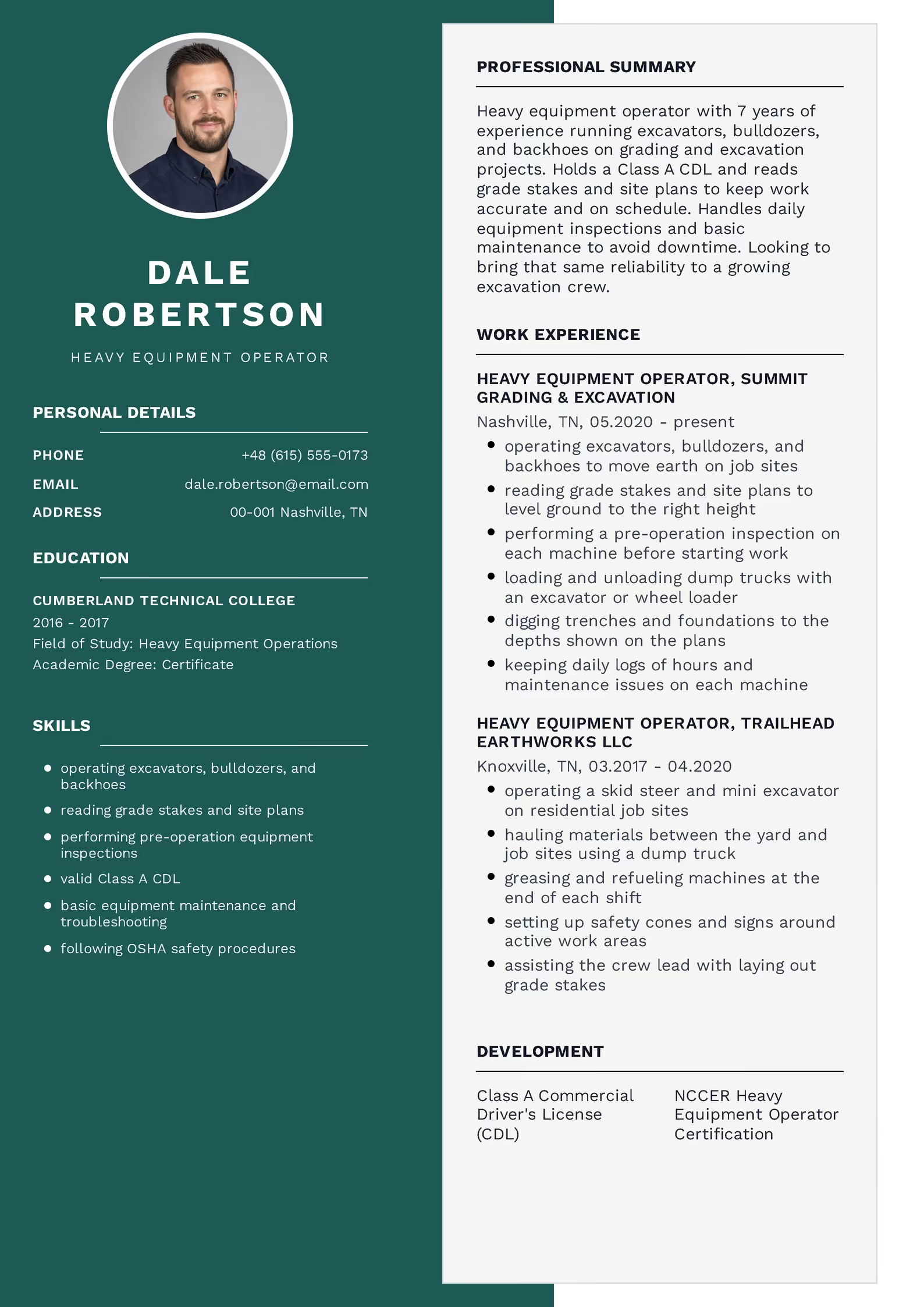
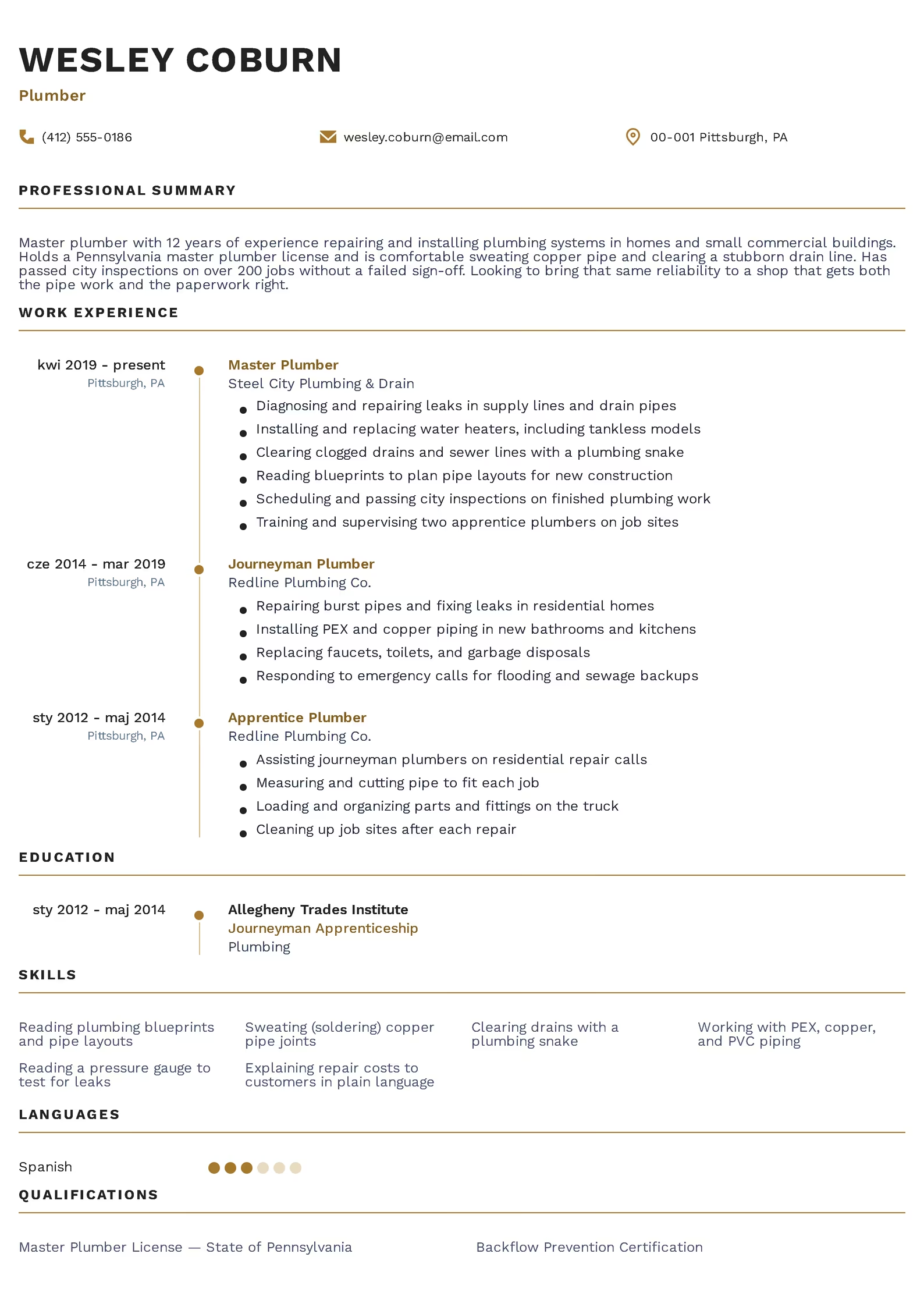

Ready for your own resume?
Go to the builder and start with the first step in seconds.
Create Resume